Answer
Apr 23, 2026 - 03:31 PM
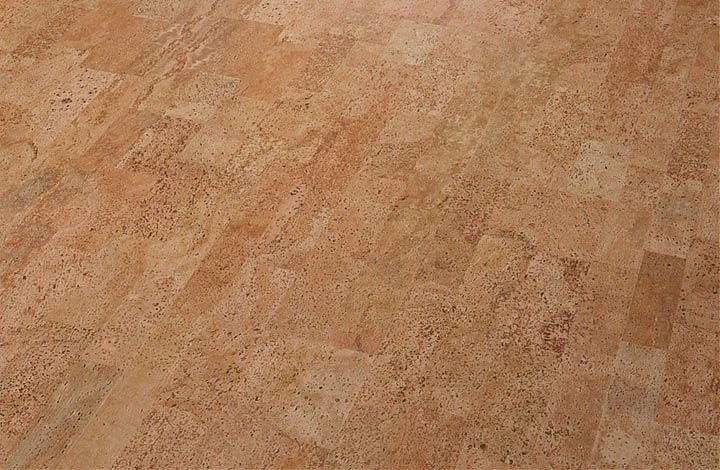
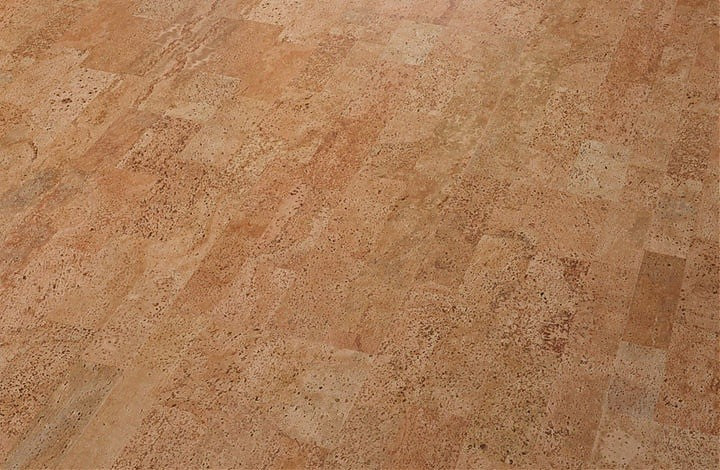
Yes, you could do that. However, cork has a relatively high r-value which creates thermal resistance. That means heat moves slower through it and the surface of the floor will warm more gradually. More heat is stored below or lost downward before reaching the room.
Compare that with a cement board that has a lower r-value and low resistance. It has a higher density and thermal mass too which conducts heat more efficiently. But the big benefit is that it stores the heat and when the hydronic or electric heat is turned off, the cement board will continue to emit radiant heat into the room.
Cement board r-values
Compare that with a cement board that has a lower r-value and low resistance. It has a higher density and thermal mass too which conducts heat more efficiently. But the big benefit is that it stores the heat and when the hydronic or electric heat is turned off, the cement board will continue to emit radiant heat into the room.
Cement board r-values
- 1/4 inch Board: Approximately R-0.13 to R-0.2
- 1/2 inch Board: Approximately R-0.20 to R-0.39
- 1/4" (6mm) R-0.74 to R-0.82
- 1/2" (12mm) R - 1.63